
Every company has two cultures. One shows up on its website, in job interviews, and in the language leaders use with employees and clients. It promises care, quality, craftsmanship, professional growth, and long-term partnership. The other appears in the work the company actually produces, the conditions people are given to produce it, and whether leadership is willing to accept short-term costs in order to honor those promises.
A company can claim to value quality and care, but does it give teams enough time, experienced support, and clear direction to produce excellent work, or does it push them to move faster with less? It can promote employee development, but does it protect time for coaching and learning, or keep pressing until every available hour is assigned to work that can be billed? It can speak about client care, but does each client receive the attention and consistency the work requires, or do the strongest people follow the accounts most likely to improve financial results?
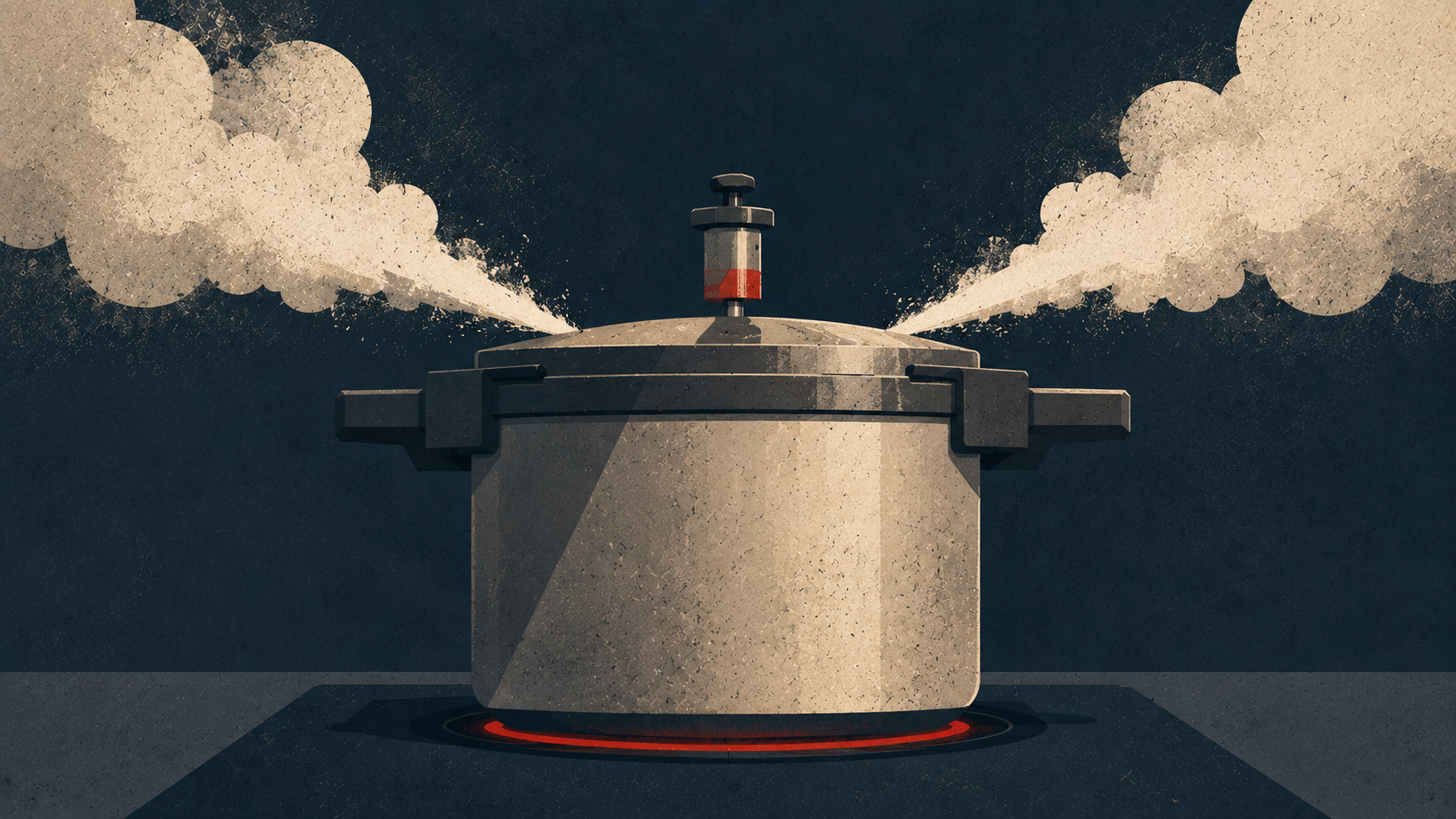
The answers rarely appear in a mission statement. They emerge when money, time, and people are under pressure. That is when employees discover whether the standards they are asked to believe in will shape the decision or be set aside for the priority the organization has chosen to protect.
The Difference Between Claiming Values and Living Them
A healthy company still has to make money. Revenue pays employees, keeps the business running, and gives the organization room to invest in future work. Leaders also need to know how much paid work is coming in, whether projects are staying within budget, and whether the company can meet its obligations. Financial discipline is part of responsible management.
Beyond The Surface
The thing that is easiest to see is not always the best explanation for what is happening. Look beyond the surface. Consider what allowed it to develop, what keeps it in place, and what the surface explanation leaves out.
Those measures must coexist with the conditions that make the business worth sustaining. Quality protects what the company is selling, and client care protects the trust and future relationships that come with it. Coaching and professional growth build the skills the company will need later. And a manageable workload matters just as much, since it gives employees a better chance to do careful work rather than constantly recovering from the last urgent demand.
That balance requires more than supportive language. Teams need enough time to review and improve their work, experienced people who are assigned where their judgment matters, and managers who can slow a rushed plan or ask for more resources. Development needs protected time during the workweek, and quality standards need to stay enforceable even when deadlines tighten. Leaders must also be willing to accept a weaker financial outcome when protecting the work, the client relationship, or the company’s ability to do good work later requires it.
Financial pressure does not force every organization into the same response. Some absorb the added cost internally, change the plan before the work suffers, or give managers enough authority to protect the standards they are responsible for maintaining. But the contradiction begins when several priorities appear in the company’s stated values while everyday decisions treat one of them as fixed and all the others as negotiable.
The Reality Behind the Promises
The actual culture becomes visible when short-term financial targets become the priority every other decision must accommodate. Teams are asked to do more work in less time, managers come under pressure to make sure every employee is doing work the company can charge to a client, and quality checks get shortened when they slow that effort down. Each choice may be presented as temporary, but together they make immediate financial results more important than the conditions needed to produce good work.
In some cases, employees may begin producing work before the client has approved the direction or provided all the information they need. Clients are pushed to make decisions faster, teams move ahead with partial answers, and review time is compressed so more work can be completed and billed in the current period. This helps the company move closer to its immediate financial target by pulling work forward from a later period, even when waiting would better protect the quality of the project. The tradeoff comes back as rework, confusion, and lower-quality results. Employees then have to correct problems created by the same urgency that left little room to prevent them.
“A performed culture presents the value as an established feature of the organization while making no meaningful effort to bring daily behavior closer to it.”
The same tradeoff affects the company’s ability to produce good work later on. Managers may want to spend time coaching employees, strengthening processes, and raising standards. The organization may even speak broadly about professional growth, but the time needed for mentoring, training, and internal improvement is rarely prioritized. When paid client work becomes available, those responsibilities are the easiest to postpone. Employees continue hearing that development matters while repeatedly watching it disappear from the schedule whenever short-term income takes priority.
Client care begins to follow a similar hierarchy. Larger accounts gain stronger claims on experienced people, while smaller but still complex clients may face more handoffs and less consistent support. Individual staffing decisions can have many causes, but repeated choices can create different standards of service based on what each relationship is expected to return. Quality remains part of the company’s promise, but the financial importance of the account begins influencing how fully that promise is kept.
The Rules No One Have to Announce
One decision that produces lower-quality work does not create a culture, nor does one occasion when the company falls short of the values it claims to practice. The shift happens when those same stated values keep giving way to the same short-term demand, even after the immediate pressure has passed. What starts as an exception becomes the normal way work gets planned and decisions get made.
Reality Check
In organizations where short-term priorities repeatedly override stated values, leadership choices become self-reinforcing. Employees learn which priorities consistently win and begin adjusting their decisions accordingly, allowing the operating culture to continue without anyone having to constantly reinforce it.
Employees learn more from repeated choices than from stated values. Managers start anticipating what senior leaders will ask about first, which concerns they will take seriously, and which risks managers will be expected to absorb without changing deadlines, billing goals, or other immediate expectations creating pressure. Teams begin adjusting their plans, recommendations, and daily work before anyone has to repeat that the short-term priority comes first.
That expectation changes how managers respond when the work needs more time, support, or review. A manager may stop recommending changes to the deadline, staffing, or scope when similar recommendations have repeatedly been rejected or treated as evidence that the team should plan better. Another may postpone coaching and mentoring the employees they manage, or delay internal improvements, because paid client work has consistently taken precedence. Over time, concerns about quality, workload, or likely rework stop leading to changes in the conditions creating them. Managers and teams are expected to keep the same commitments and find a way to manage the consequences.
No executive has to announce that quality, development, or consistent client care now come second. The organization teaches that lesson through the choices it rewards, repeats, and leaves unchanged. Once employees can predict the preferred answer and act on it in advance, the priority no longer depends on anyone giving direct instruction.
The Ceiling Leadership Builds
Taken together, these decisions reveal a two-part pattern in how these types of organizations work. The first part is the operating culture, the way the company actually functions regardless of how it presents itself. The second part is the executive culture ceiling, the limit on how much employees can improve that culture without different decisions from above.
The operating culture develops through a consistent sequence. The organization defines certain values and presents them to employees and clients as its way of working.Those values eventually come into conflict with immediate demands that executives treat as more important than the values they claim guide the organization. When executives repeatedly protect those short-term demands while giving less time, funding, and protection to quality, client care, employee development, and the company’s ability to do good work later, employees learn which priorities carry the real authority. They adjust their future decisions and work accordingly. Repeated behavior becomes normal practice, and normal practice becomes the operating culture.
“Employees learn more from repeated choices than from stated values.”
The executive culture ceiling appears when managers and teams reach the limit of what they can improve within their authority. They may begin strengthening planning, communication, and quality controls, but further improvement eventually depends on conditions they cannot change, such as financial targets, staffing levels, sales promises, and how much time they are allowed to set aside for helping employees grow, improving processes, and strengthening the team. Changing those conditions would require executives to accept a weaker short-term result to protect the organization’s long-term health.
When executives continue protecting the conditions that serve immediate needs, managers remain responsible for outcomes they lack the authority to fully improve. Their efforts may make the work more orderly or reduce some damage, but they cannot change the conditions that undermine quality, employee growth, and client care. That is the executive culture ceiling. Repeated executive tradeoffs create the operating culture, and the conditions executives refuse to reconsider determine how far that culture can improve.
Telling a Real Value from a Performed One
A gap between stated values and daily behavior can reflect either an aspirational culture or a performed one. Some companies describe the culture they are genuinely trying to build before they have fully created it. Their sincerity becomes visible through movement. They acknowledge the gap, change decisions or working conditions, and accept some short-term cost to move closer to what they claim.
What to Remember
- Repeated short-term pressure reveals which company values actually carry authority.
- Managers eventually reach the limits of what they can improve without different decisions from leadership.
- Sustained effort, especially when it requires accepting short-term costs, distinguishes aspirational values from performed ones.
A performed culture presents the value as an established feature of the organization while making no meaningful effort to bring daily behavior closer to it. The language stays consistent, but the decisions do not change. The same conflicts return, the same immediate priorities continue taking precedence over the company’s stated values, and the same people keep carrying the extra work, uncertainty, and frustration those choices create.
The treatment of people who identify value contradictions can reveal which kind of culture the organization is building. In a performed culture, a credible concern may be dismissed outright, and the person who raises it may be labeled negative, difficult, or resistant. From there, their influence can shrink, their role in decisions can narrow, or they can face other consequences, all while the real issue goes largely unexamined. A single disagreement or employment decision proves little on its own. The stronger signal is a repeated pattern of making the messenger the problem while leaving the contradiction intact.
The clearest way to distinguish an aspirational culture from a performed one is whether the organization sustains its efforts to bring its behavior closer to its stated values. Is it willing to accept a weaker short-term result to honor those values, or does it return to the same choices whenever honoring them becomes costly? Does it examine credible criticism, or respond in ways that discourage people from raising concerns that challenge the image it presents? An aspirational culture may still sometimes fall short or slip back into old patterns, but it acknowledges those gaps and continues treating them as unfinished work. A performed culture leaves the gaps in place while continuing to present those values as something the organization already practices.
The Company the Decisions Reveal
Every company needs revenue, and difficult periods sometimes call for difficult short-term choices. A spending cut, tighter deadlines, or a short stretch of heavier workload may simply reflect the circumstances of a particular moment. One compromise does not establish a culture. Culture becomes visible when the same priority keeps getting protected and the same values keep getting expected to give way.
Financial pressure leaves room for choice. Leaders decide whether the company absorbs the added cost itself or passes the consequences on to employees and clients, whether quality gets to change the plan, whether responsibility comes with real authority, and whether the values being promoted stay enforceable once honoring them becomes inconvenient.
The contradiction becomes harder to dismiss when a company markets care, quality, and partnership as established values while repeatedly sacrificing them whenever they interfere with its immediate priorities. Employees get recruited into one version of the organization, then expected to work inside another. Clients are promised one standard, but receive only as much quality and care as the company’s short-term interests allow. The language keeps earning trust that the behavior does not sustain.
Repeated experience eventually strips the presentation of its credibility. Employees and clients learn the actual culture through the quality the company is willing to reduce, the care it makes conditional, and the extra pressure and frustration it creates for everyone else. What begins as confusion becomes recognition, and the inconsistency stops looking like a temporary failure to live up to the company’s values and starts looking like the way the company operates.
The culture leadership actually builds is the one employees and clients learn to expect from the compromises the company repeatedly expects them to accept. The stated values describe the company it wants others to trust. Its decisions reveal the company it actually is.